A repair quotation arrives, and the price makes you pause. You ask about alternatives. One workshop recommends genuine parts; another offers aftermarket parts at a different price. Both say their option is suitable.
How do you compare them?
For a BMW, Mercedes-Benz, Audi or another premium vehicle, the useful question is more specific than “Which is cheaper?” You need to know exactly what is being supplied, whether it matches your vehicle and what support comes with it.
Aftermarket parts can be worth considering, but the label alone tells you very little about an individual product. These seven checks will help you compare your options before committing to an order.
Compare the exact product, confirmed fitment, supply source and written terms. Genuine vehicle-brand products and aftermarket parts should be assessed against the same repair requirement, rather than price alone.
First, understand what the labels mean
Genuine vehicle-brand parts are sold under the vehicle manufacturer’s brand. Mercedes-Benz, for example, describes its genuine parts as developed for its vehicles and adapted to their other components. That is a manufacturer’s claim about its own range, rather than proof that every alternative is unsuitable. Read Mercedes-Benz India’s genuine-parts information.
OEM means original equipment manufacturer. In retail conversations, however, sellers sometimes use “OEM” loosely. Ask whether they mean a vehicle-brand product, a component manufacturer’s own product or simply an item described as original-equipment quality.
Aftermarket parts serve the replacement market outside the vehicle manufacturer’s own branded offering. This is a broad category. It includes established component manufacturers as well as products with very different specifications and levels of support.
A familiar manufacturer’s name is a starting point for research. It does not automatically prove that a particular item is identical to the component fitted at the factory.
1. Confirm fitment before buying aftermarket parts
Start with the make, model, year and engine variant. Include the existing part number, the required position and your VIN if the supplier needs it for a fitment check.
“BMW 5 Series brake pads” is a starting description, not a complete compatibility confirmation. Ask the supplier to identify the specific product being proposed for your vehicle.
If you do not have the reference, our guide to finding the right part number explains which photographs and details to prepare.
Do this before comparing prices. Two quotations are difficult to compare if they are for different applications.
2. Identify the manufacturer of the aftermarket parts
A quotation that says only “OEM quality” leaves important questions unanswered.
Request the actual brand, manufacturer’s reference and product description. Confirm whether the item is new, remanufactured or used, rather than assuming its condition from the price.
For aftermarket parts, also ask which product range is being supplied. A manufacturer may offer several ranges, and a general brand recommendation does not replace a check of the individual listing.
A clear quotation for aftermarket parts should let you identify the product again when the delivery arrives. Keep that written confirmation with your invoice.
3. Compare OEM and aftermarket parts specifications
Look beyond the headline component name.
Is the quotation for one piece, a pair or a complete kit? Are the fittings, seals, sensors or other accessories included? Does your workshop need anything separately to complete the job?
Ask the workshop to review the proposed specification before you confirm the purchase. This matters particularly when the supplier offers an alternative reference.
Established suppliers do operate in the aftermarket: ZF, for example, lists replacement products across passenger-car systems, including clutch and chassis applications. That supports researching recognised brands, while still checking each product’s fitment. Explore ZF Aftermarket’s passenger-car range.
4. Check authenticity and the supply source
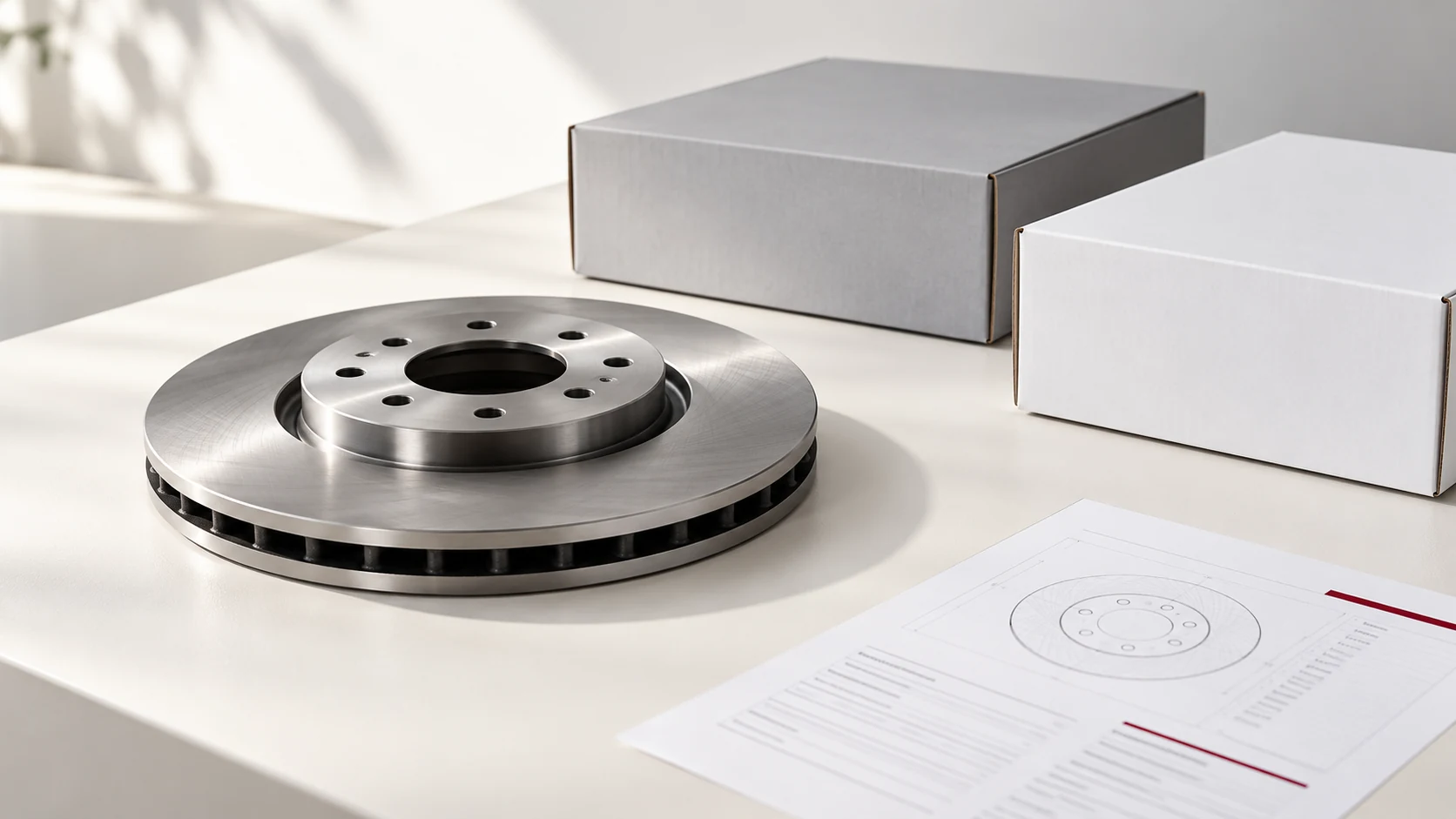
Aftermarket parts and counterfeit parts are different things. A legitimate replacement product sold under its own manufacturer’s identity should not be confused with a fake product pretending to be another brand.
Ask for an invoice that identifies the supplied item. Where the manufacturer provides an authentication process, follow its current official instructions.
Do not rely on a convincing box, a hologram photograph or a seller’s assurance alone. If something is unclear, ask the manufacturer or its relevant support channel.
ZF’s genuine-parts guidance specifically highlights counterfeit risks and offers assistance with authenticity concerns.
5. Compare the complete cost of aftermarket parts
The lowest component price does not necessarily produce the lowest repair bill.
Ask your workshop for a breakdown covering the genuine or aftermarket parts, installation, required accessories and any additional work needed for the repair. Then compare quotations on the same basis.
For example, one quote may include a complete assembly while another covers only a component within it. Neither price means much until you understand the difference.
Avoid assuming a fixed percentage saving for aftermarket parts. Prices depend on the exact product, brand, availability and sourcing route.
At Partgin, displayed prices are indicative. Our team confirms current pricing before an order is agreed. See our pricing and quotation policy.
6. Read the warranty terms for aftermarket parts
Ask what warranty applies to the specific item, who handles a claim and what documentation is required.
Also clarify the difference between a product warranty and the workshop’s workmanship terms. Do not assume that one automatically covers the other.
If your vehicle has an active warranty or service contract, check the applicable conditions with the provider before authorising a repair. Broad statements about every alternative being covered—or every alternative cancelling coverage—are not a substitute for those terms.
Read the seller’s return policy before paying. Partgin’s delivery and returns guidance explains how we review incorrect, damaged or defective supplies.
7. Ask your workshop to approve the aftermarket parts
Your workshop should understand the diagnosed fault and the proposed replacement.
Share the quotation with the person carrying out the repair. Ask them to confirm the required specification and whether any additional parts or procedures need to be planned.
For brakes, steering and other safety-related repairs, involve a qualified professional. A buying guide cannot confirm a diagnosis or replace installation instructions.
When the delivery arrives, compare the brand, reference, condition and quantity against the confirmed order before installation. Raise any discrepancy while the packaging and labels are still available.
A quick comparison checklist for aftermarket parts
Before choosing between genuine and aftermarket parts, make sure both quotations answer the same questions:
- What exact brand and product reference will be supplied?
- Has the vehicle application been confirmed?
- Is the item new, remanufactured or used?
- Is the price for one piece, a pair or a kit?
- What is included, and what must be ordered separately?
- What warranty and return conditions apply?
- What is the final price, including applicable charges?
If either quotation leaves these details unclear, ask for clarification before deciding.
Common questions about aftermarket parts
Are aftermarket parts always cheaper?
No. Compare the actual quotations for the required application rather than assuming a universal saving. A lower price can reflect a different brand, product range, quantity, condition or set of included accessories. Ask each supplier to describe the offer in the same format before making your comparison.
For aftermarket parts, the useful figure is the confirmed total for the item you need. Include applicable delivery and installation costs in your planning, and check whether a quoted pair or kit differs from an offer for a single component. Keep the supplier’s written breakdown so you can review it with your workshop.
Does “made by the same supplier” mean an identical product?
That statement needs more detail. A supplier’s relationship with a vehicle manufacturer does not, by itself, identify the specification of every product sold under its own name. Ask which exact reference is being offered and what evidence supports the proposed application. Treat “same factory” as a question to investigate rather than a complete product description.
When considering aftermarket parts, focus on the documented product and the manufacturer’s information for that reference. If the seller cannot name the product or explain a reference change, ask for clarification before confirming. Packaging colour and a familiar company name cannot replace those details.
Can I choose aftermarket parts from photographs alone?
A photograph is useful for showing a label, connector or mounting arrangement, but it is only one part of an enquiry. Send the existing reference and vehicle details alongside it. Ask the supplier to confirm the application of the proposed replacement and have your workshop review the requirement where necessary.
Photographs of aftermarket parts should support identification, rather than replace a specification check. If the item has a different reference or appearance, ask what changed and why the proposed version is suitable. Do not order an uncertain component simply because the picture resembles the item removed from the vehicle.
Are used genuine parts the same choice as new aftermarket parts?
They are different offers and should be described separately. A used component carries its own condition and history questions; a new replacement has a manufacturer, range and specification to assess. Ask the seller to state the condition explicitly on the quotation and explain what documentation and support are available for that particular item.
Before comparing used genuine and new aftermarket parts, discuss the repair with your workshop. Ask what inspection is needed, whether the proposed condition is appropriate for the requirement and which terms apply. There is no single recommendation that covers every component, so make the decision against the specific repair rather than a general label.
Which option should you choose?
There is no useful blanket answer for every component and every luxury car.
Genuine vehicle-brand parts may be the preferred choice for your circumstances. Documented aftermarket parts from a suitable manufacturer may also be worth discussing with your workshop.
Choose the specific product on the strength of its confirmed application, specification, authenticity and support—not just its box or price.
Need help preparing an enquiry? Browse Partgin by vehicle brand or contact our team with your vehicle details and existing part number. We can help clarify the available options and current quotation before you order.